Golden Raspberries: The Sweet Little Berry You May Not Know

You know a raspberry when you see one.

It's usually bright red, delicate, juicy and just a little bit tart.

But what if the raspberry you're looking at is golden yellow?

That's exactly what you'll find growing among the red raspberries at Nourse Farm.

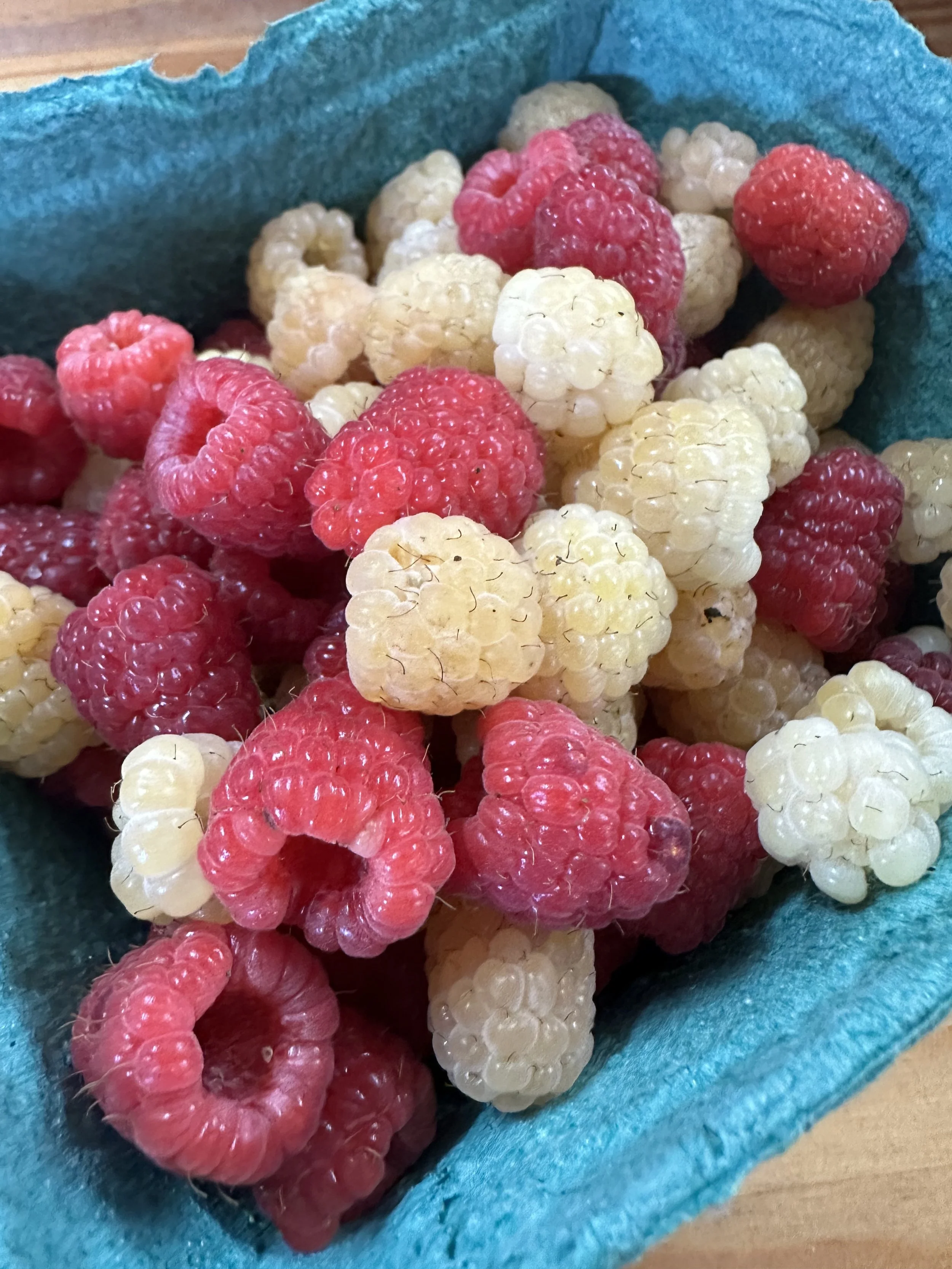
Golden raspberries — sometimes called yellow raspberries — look a little unusual at first. They have the same familiar shape as a red raspberry, but instead of turning deep red as they ripen, they develop a beautiful golden, yellow or pale amber color.

And if you've never tried one, you're in for a treat.

They're sweet, soft, delicate and often a little less tart than their red relatives.

So what exactly is a golden raspberry?

What Are Golden Raspberries?

Golden raspberries are true raspberries, not a cross between raspberries and another fruit.

They belong to the same genus as red raspberries, Rubus, and many yellow-fruited varieties are closely related to red raspberry cultivars. In fact, some yellow raspberries originated from natural mutations in red raspberry plants that prevented the development of the red pigments normally responsible for the fruit's color.

So while they may look like a completely different berry, a golden raspberry is essentially a raspberry wearing a different color.

And that's part of what makes them so fun.

Why Are Golden Raspberries Yellow?

The color difference comes down largely to pigments.

Red raspberries develop their familiar red color from anthocyanins, a group of plant pigments responsible for many of the red, purple and blue colors found in fruits and vegetables.

Yellow raspberries produce little or no anthocyanin compared with red varieties, which is why they remain yellow or golden as they ripen. Research comparing red and yellow raspberry cultivars has found significant differences in their anthocyanin profiles.

But "yellow" doesn't mean there's nothing interesting happening nutritionally.

Research has found that yellow raspberries contain other plant compounds, including carotenoids, tocopherols and various phenolic compounds. In other words, their nutritional profile isn't simply a red raspberry with the red color removed.

Do Golden Raspberries Taste Different From Red Raspberries?

Yes — and this is one of the reasons we love them.

Golden raspberries tend to have a sweet, delicate flavor with a softer tartness than many red raspberries.

Of course, flavor varies by variety, ripeness and growing conditions, but golden raspberries are often described as:

  • Sweet

  • Mild

  • Delicate

  • Fruity

  • Less tart than many red raspberries

  • Soft and juicy

They're wonderful eaten straight from the field.

And because they're less familiar to many people, they also make a beautiful surprise when served alongside red raspberries.

Golden Raspberries at Nourse Farm

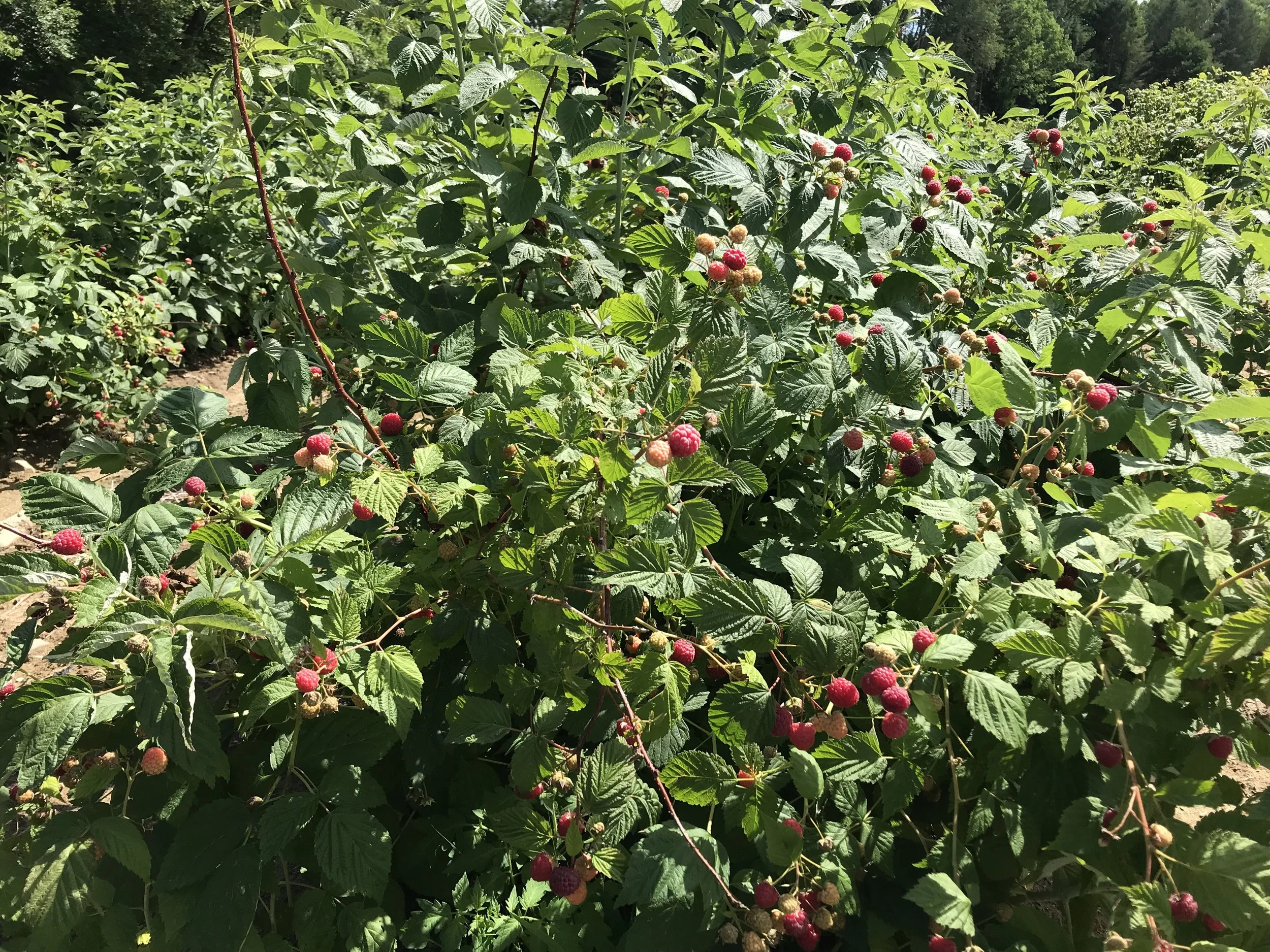
At Nourse Farm, our golden raspberries grow right alongside our red raspberry plantings.

That means when raspberry season arrives, you may find both colors growing together — sometimes making it difficult to tell where the red berries end and the golden ones begin.

For us, that's part of the fun of growing a diverse selection of raspberries.

Different varieties ripen at different times, have different flavors and textures, and extend the raspberry harvest across the season.

And golden raspberries give our customers something they might not find at every farm stand or grocery store.

They're a little unexpected.

They're beautiful.

And they're delicious.

Are Golden Raspberries Rare?

They're certainly less common than red raspberries.

Red raspberries dominate the fresh market, while yellow and golden varieties are grown on a much smaller scale. Extension resources list several yellow-fruited cultivars, including Anne, Fall Gold, Double Gold and Cascade Gold.

One reason is practical: golden raspberries can be more difficult for growers to market because shoppers aren't always sure what they are.

A customer may walk right past them thinking they're underripe red raspberries.

But once people taste them, they're usually intrigued.

Are Golden Raspberries Ripe When They're Yellow?

Yes!

This is probably the most important thing to know.

A golden raspberry is supposed to be golden.

Don't wait for it to turn red.

As a golden raspberry ripens, it changes from green to pale yellow and eventually to a deeper golden color. When fully ripe, the berry should come easily off the plant with a gentle pull, just like a ripe red raspberry.

If you're picking your own, look for berries that are fully colored and plump.

And don't worry if they're not red.

That's exactly how they're supposed to look.

When Are Golden Raspberries in Season?

Golden raspberries can be either summer-bearing or primocane-fruiting, depending on the variety.

Summer-bearing varieties produce fruit on second-year canes, while primocane-fruiting varieties produce a crop on first-year canes later in the season. Some varieties can even produce two crops under the right growing and pruning conditions.

At Nourse Farm, raspberry season stretches across much of the summer and into the early fall, depending on the variety and the weather.

That's one of the wonderful things about a raspberry planting: there isn't just one raspberry season.

Different varieties take their turns.

How Do You Grow Golden Raspberries?

If you've ever grown red raspberries, you'll be familiar with golden raspberries.

They have essentially the same basic growing requirements.

☀️ Full Sun

Raspberries perform best in a sunny location. While plants can tolerate some shade, full sun generally produces better fruit quality and yields.

🌱 Well-Drained Soil

Raspberries don't like sitting in wet soil. Good drainage is especially important because raspberry roots can be susceptible to root diseases in poorly drained conditions.

💧 Consistent Water

Raspberry plants need consistent moisture, especially while flowers are developing and fruit is ripening.

🐝 Pollinators

Raspberry flowers attract bees and other pollinating insects. Although raspberries are self-fruitful and don't require another variety for pollination, pollinator activity is still an important part of fruit production.

🌿 Give Them Room

Raspberries are vigorous perennial plants. The roots and crown live for years, while individual canes have a two-year life cycle. New canes emerge each year, while older fruiting canes are eventually removed.

That's why a raspberry patch can look very different from one year to the next.

Why Do Golden Raspberries Have Those Little "Bumps"?

If you've ever looked closely at a raspberry, you've probably noticed that it's made up of dozens of tiny round sections.

Those sections are called drupelets.

Each drupelet contains a seed, and together they form the raspberry we recognize as a single fruit.

When you pick a ripe raspberry, the fruit separates from the white central receptacle, leaving the familiar hollow center. That's one of the characteristics that distinguishes raspberries from blackberries.

So every little golden raspberry you eat is actually a collection of tiny fruits working together.

Nature is pretty amazing.

Are Golden Raspberries Good for You?

Golden raspberries offer many of the nutritional benefits associated with raspberries generally.

Raspberries are naturally:

  • A source of dietary fiber

  • A source of vitamin C

  • Naturally low in fat

  • Rich in plant compounds

  • A naturally sweet fruit

Golden raspberries also contain a variety of phenolic compounds and carotenoids. Because their pigment profile differs from red raspberries, they don't contain the same abundance of anthocyanins that gives red raspberries their characteristic color. Research has identified other compounds in yellow raspberries, including procyanidins and carotenoid-related compounds.

The important takeaway?

Different colors of fruits can contain different combinations of naturally occurring plant compounds.

That's one more reason to eat a variety of colorful fruits and vegetables.

How to Eat Golden Raspberries

Honestly?

The best way might be straight from the farm.

Golden raspberries are delicate and wonderfully sweet when eaten fresh.

But they are also incredibly versatile.

🍓 Eat Them Fresh

Add them to:

  • Breakfast bowls

  • Yogurt

  • Oatmeal

  • Cereal

  • Pancakes

  • Waffles

  • Salads

  • Fruit platters

🍰 Use Them in Desserts

Golden raspberries make beautiful toppings for:

  • Cheesecake

  • Shortcake

  • Pound cake

  • Ice cream

  • Pavlova

  • Pies

  • Tarts

Their golden color is especially pretty when paired with red raspberries.

🥣 Make a Golden Raspberry Parfait

Layer golden raspberries with plant-based or traditional yogurt, granola and a drizzle of maple syrup.

The bright berries make an especially beautiful breakfast or dessert.

🍞 Put Them on Toast

Try golden raspberries with ricotta or plant-based cheese on toasted artisan bread. Add a drizzle of maple syrup and a sprinkle of chopped pistachios.

Simple.

Beautiful.

Delicious.

🥞 Add Them to Pancakes

Fold a few golden raspberries into pancake batter or simply pile them on top with maple syrup.

🍓 Make Golden Raspberry Sauce

Gently cook golden raspberries with a little maple syrup and lemon juice until they break down.

Serve the sauce over ice cream, cheesecake, pancakes or pound cake.

Golden Raspberries and Red Raspberries Together

One of our favorite ways to use golden raspberries is alongside red raspberries.

The contrast is beautiful: ruby red and golden yellow, side by side.

Try combining them in:

A mixed raspberry crisp

A summer fruit salad

A raspberry tart

A yogurt parfait

A berry shortcake

A simple bowl of fresh berries with whipped cream

You don't need a complicated recipe.

Sometimes the color is enough.

Why Are Golden Raspberries So Delicate?

Like red raspberries, golden raspberries are extremely perishable.

They're soft fruits with a short shelf life, which is one reason local raspberries are so special.

When berries are picked, they're already at or very close to their peak ripeness. Unlike some fruits, raspberries don't continue to ripen significantly after harvest.

That's why fresh, local raspberries are best eaten as soon as possible.

Keep them refrigerated and avoid washing them until you're ready to eat them. Moisture can encourage mold and shorten their shelf life.

And if you see a few berries beginning to soften, don't throw them away.

Turn them into a sauce, crisp, smoothie or dessert.

Golden Raspberries Are a Little Farm Secret

Maybe the best thing about golden raspberries is that they still feel like a discovery.

People know raspberries.

But they don't always know that raspberries can be golden.

So when you see those little yellow berries tucked among the red raspberry canes at Nourse Farm, stop and take a closer look.

They're not underripe.

They're not a different fruit.

And they're definitely not missing something.

They're golden raspberries — sweet, delicate and grown right here on the farm.

And once you try them, you may find yourself looking for them every raspberry season.

Come Taste the Difference

At Nourse Farm, we love growing the familiar alongside the unexpected.

Our raspberry fields are part of what makes summer at the farm so special, and our golden raspberries are one of those little discoveries that can turn an ordinary berry-picking day into something memorable.

Come visit the farm, find the golden berries hiding among the red, and taste the difference for yourself.

Golden Raspberry FAQ

Are golden raspberries natural?

Yes. Golden and yellow raspberries are naturally occurring and cultivated raspberry varieties. Some yellow-fruited cultivars originated from mutations of red raspberry plants that affect pigment production.

Are golden raspberries sweeter than red raspberries?

Golden raspberries are often perceived as sweeter and less tart, although flavor varies by variety, ripeness and growing conditions.

Are golden raspberries ripe when they are yellow?

Yes. Golden raspberries are ripe when they reach their characteristic golden-yellow color and come easily off the plant.

Can you substitute golden raspberries for red raspberries?

Absolutely. They can be used in many of the same recipes, including pies, crisps, sauces, parfaits and baked goods.

Do golden raspberries grow differently from red raspberries?

Not significantly. Golden and red raspberries have similar growing requirements. However, specific varieties may differ in whether they fruit on first-year or second-year canes.

Can you freeze golden raspberries?

Yes. Spread clean, dry berries in a single layer on a baking sheet and freeze until firm before transferring them to a freezer-safe container or bag.

Peppers: From the Americas to the New England Farm

Peppers: From the Americas to the New England Farm

From ancient crops in the Americas to a late-summer staple in New England, peppers have traveled a remarkable journey. Discover the history, varieties, growing secrets, seasonality and health benefits of peppers—and get inspired to enjoy everything from sweet Italian peppers to fiery jalapeños straight from the farm.

Read More

Beets: The Colorful Superfood That's Good for Your Garden, Your Heart, and Your Plate

Beets: The Colorful Superfood That's Good for Your Garden, Your Heart, and Your Plate

Few vegetables are as vibrant—or as misunderstood—as the humble beet. Known for its deep ruby color, earthy sweetness, and impressive nutritional profile, the beet has been nourishing people for thousands of years. Whether you're harvesting fresh beets from your garden, picking them up at a local farm stand, or finding them in your CSA share, beets are one of the most versatile vegetables you can enjoy.

From roasting and grilling to pickling, blending into smoothies, or even making bright pink hummus, beets offer endless possibilities in the kitchen. Better yet, both the roots and the leafy greens are edible, making beets one of the least wasteful vegetables you can buy.

Read More

Red Cabbage: The Colorful Superfood That Deserves a Place on Your Plate

Red Cabbage: The Colorful Superfood That Deserves a Place on Your Plate

Don't let its vibrant purple color fool you—red cabbage is one of the most versatile and nutritious vegetables you can bring home from the farm. Packed with antioxidants, fiber, and Vitamin C, this colorful superfood is just as delicious roasted, tossed into crisp salads, or transformed into tangy slaws and pickles. Discover its health benefits, growing tips, fun facts, and simple recipes that make it easy to enjoy all season long.

Read More

Zucchini: The Summer Squash That Became a Garden Favorite

Zucchini: The Summer Squash That Became a Garden Favorite

Zucchini is one of summer's most beloved vegetables, prized for its tender texture, mild flavor, and incredible versatility. From its ancient roots in Central America to Italian gardens and today's New England farms, discover the fascinating history of zucchini, how it's grown, its impressive health benefits, and simple ways to enjoy it fresh from Nourse Farm.

Read More

Patty Pan Squash: The Delightfully Unique Summer Squash You'll Want to Grow, Cook, and Enjoy

Patty Pan Squash: The Delightfully Unique Summer Squash You'll Want to Grow, Cook, and Enjoy

Discover the unique charm of patty pan squash, one of summer's most colorful and versatile vegetables. Learn about its fascinating history, how it grows, its impressive nutritional benefits, and simple, delicious ways to cook it—from roasting and grilling to stuffing and pasta dishes. Whether you're picking up fresh squash at the farm or growing it in your own garden, this guide will help you make the most of this seasonal favorite.

Read More

Rooted for the Long Haul: Why Perennial Crops Matter on a Diversified Farm

Rooted for the Long Haul: Why Perennial Crops Matter on a Diversified Farm

Perennial crops like asparagus, blueberries, rhubarb, peaches, raspberries, blackberries, and currants do more than produce delicious harvests year after year — they help protect soil, support pollinators, and strengthen sustainable farming systems. Discover why perennial agriculture plays such an important role at Nourse Farm and why these long-term plantings matter for the future of farming.

Read More

From Ancient Medicine to Strawberry Rhubarb Pie: The Story of Rhubarb

From Ancient Medicine to Strawberry Rhubarb Pie: The Story of Rhubarb

Few spring crops carry as much history and nostalgia as rhubarb. From its ancient medicinal roots to its place in classic strawberry rhubarb pie and jam, discover the fascinating story behind this tart seasonal favorite — plus delicious ways to enjoy it throughout the spring season at Nourse Farm.

Read More

Kohlrabi: Why This “Spaceship” Vegetable Deserves a Spot on Your Plate

Kohlrabi: Why This “Spaceship” Vegetable Deserves a Spot on Your Plate

Kohlrabi may look like something from outer space, but this unique vegetable has deep agricultural roots and impressive culinary versatility. Sometimes nicknamed the “spaceship” or “sputnik” veggie because of its bulbous shape and sprouting leaves, kohlrabi is a hidden gem in the world of fresh produce—crisp, mildly sweet, and packed with nutrients. Whether you’re new to kohlrabi or looking for fresh ways to use it, here’s everything you need to know about its history, health benefits, and what makes it truly one of a kind.

Read More