Nourse Farm: Over 300 Years of History, Innovation, and Community in Westborough, Massachusetts
/Established in 1722, Nourse Farm stands as the oldest continuously operated farm in Westborough, Massachusetts—an enduring symbol of resilience, innovation, and family farming tradition. Owned and operated by eight generations of the Nourse family, the farm’s story is deeply intertwined with early American history, the Salem Witch Trials, and the evolution of agriculture in New England.
Today, Nourse Farm remains a living link between the past, present, and future of local farming.
A Farm Rooted in Early American History
Nourse Farm’s origins trace back to one of the most turbulent moments in Massachusetts history—the Salem Witch Trials of 1692. On July 19 of that year, Rebecca Nurse, a 71-year-old grandmother and ancestor of the Nourse family, was unjustly executed for witchcraft in Salem.
In the aftermath of this tragedy, Rebecca’s youngest son, Benjamin Nurse, left Salem with his family and joined other survivors of the witchcraft hysteria on land known as Salem Plain in what is now Framingham, Massachusetts. It was Benjamin’s sons, William and Ebenezer Nurse, who would later establish what became Nourse Farm in 1722.
Originally part of the town of Shrewsbury, the land was later incorporated into Westborough, making Nourse Farm just five years younger than the town itself.
Generations of Stewardship and the Evolution of the Nourse Name
Historical records, including the 1830 Nahum Fisher Map of Westborough, mark the farm’s location along what was once called the New County Road. Early spellings of the family name appear as Nurse, later evolving in the 1840s to Nourse—while the pronunciation remained unchanged.
Today, the farm spans 140 acres, including:
75 acres of prime farmland south of Nourse Street
65 acres of pasture and woodland to the north
A 3.5-acre homestead housing the farmhouse, barns, and farm store
Stone walls—built from the farm’s abundant rocky soil—still crisscross the property, a lasting reminder of early New England farming challenges.
Historic Farm Buildings That Tell a Story
The Nourse farmhouse, a classic center-hall Colonial, dates back to 1754, with additions made in 1813. The main barn, constructed during the Civil War, once stored loose hay for dairy cows through harsh New England winters.
In the late 1940s, a modern cow barn was added, designed to support mechanized milking with pneumatic equipment—marking a turning point in farm efficiency and labor practices.
Innovation Born from Rocky Soil: The Nourse Eagle Plow
The farm’s rocky terrain made early cultivation difficult, often breaking traditional wrought-iron plows. In response, Joel Nourse, a skilled blacksmith, invented the Nourse Eagle Plow in the 1840s.
Made of cast iron, the plow revolutionized farming in rocky New England soils and became the best-selling plow in the United States for over a decade. Its historical significance is recognized with an example housed at the Smithsonian Institution in Washington, D.C.
A Turning Point: Nourse Farm in 1917
The year 1917 marked a pivotal moment in the farm’s history, bringing three major technological advancements:
1. Electrification
Electric lighting was introduced to the farmhouse and barns, dramatically improving daily life and productivity.
2. Mechanized Milking
A Sharpies milking machine replaced hand milking, reducing labor demands while improving efficiency.
3. The First Tractor
The purchase of the farm’s first tractor—likely a Fordson—reduced reliance on horses and modernized field operations.
These changes transformed Nourse Farm into a more efficient and sustainable agricultural operation.
From Dairy Farming to Fresh, Local Produce
After World War II, the pace of change accelerated. By the 1970s, the farm transitioned away from dairy production to meet growing consumer demand for fresh, locally grown food.
Beginning with strawberries, the farm expanded into:
Raspberries
Blueberries
Sweet corn
Heirloom tomatoes
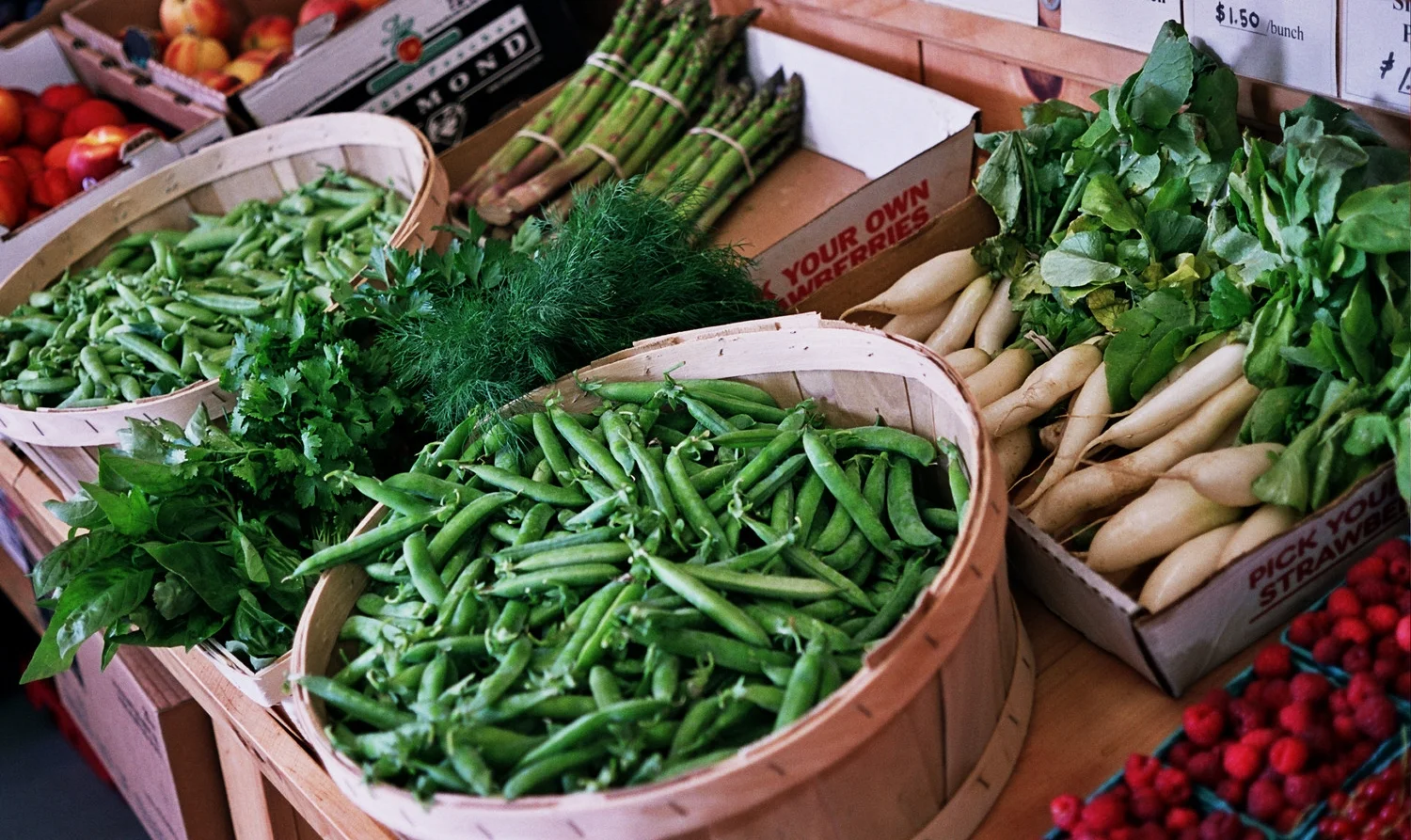
Peppers, kale, lettuce, squash, and more
In the mid-1980s, the construction of a farm store allowed Nourse Farm to sell directly to consumers, strengthening community connections and supporting local food systems.
Community Supported Agriculture (CSA) and Sustainable Farming
Nearly a decade ago, Nourse Farm launched its Community Supported Agriculture (CSA) program, allowing customers to purchase shares of the harvest and receive weekly distributions during the growing season.
While dairy cattle are no longer part of the farm, a small herd of Hereford beef cattle now maintains the pastures and may provide locally raised meat in the future.
Preserving Farmland for Future Generations
Since 1981, Nourse Farm has been protected under an Agricultural Preservation Restriction (APR). This agreement with the Commonwealth of Massachusetts and the Town of Westborough ensures the land will never be developed for commercial or residential use.
The APR safeguards the farm’s future as a working agricultural landscape—one the Nourse family remains deeply committed to preserving.
Looking Ahead: A Living Link Between Past and Future
Founded just five years after Westborough was incorporated, Nourse Farm celebrated its own 300th anniversary in 2022. Today, it continues to serve as a bridge between history, sustainability, and modern farming practices.
Visitors are welcomed not just to purchase fresh produce, but to experience a farm where three centuries of American agricultural history are still alive.