
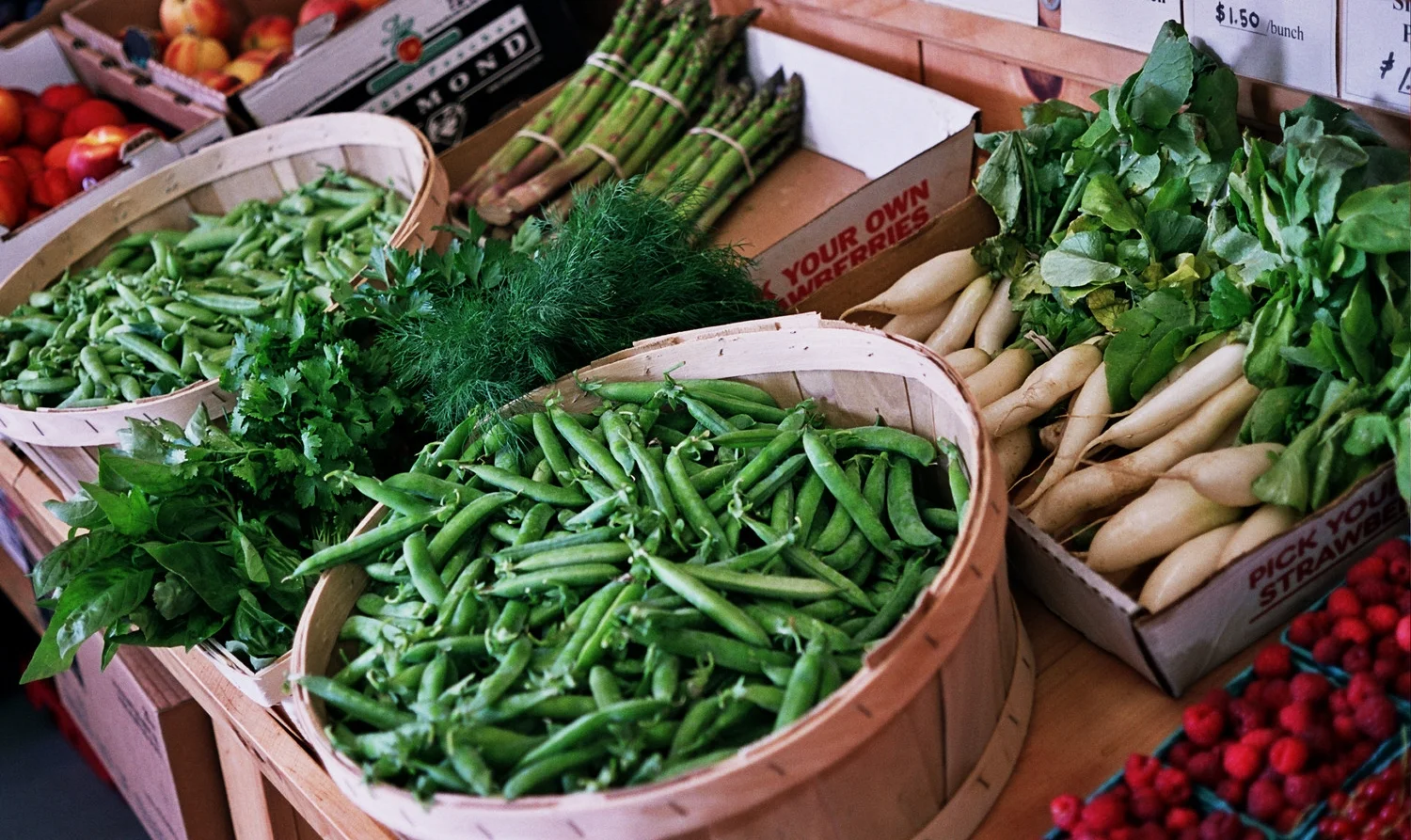
Caring for Your Farm Greens: Keep Them Crisp, Fresh & Waste-Free
/There’s nothing better than bringing home a bundle of vibrant greens from your local farmers market or CSA—until a few days later when they’re limp, tired, and headed for the compost. The good news? Reviving and preserving your greens is simple once you understand one key principle: water is everything.
Leafy greens like lettuce, kale, and Swiss chard are made up of more than 90% water. Once harvested, they begin to lose moisture immediately, which leads to wilting and loss of texture. Just like your body perks up after a glass of water, your greens can bounce back with proper rehydration and storage techniques.
Why Greens Wilt (and How to Reverse It)
After harvest, greens are cut off from their water source but continue to “breathe” and use up their internal moisture. This is why even the freshest greens can start to droop within a day or two.
The fix? Rehydration.
Simple Rehydration Method
Fill a bowl or sink with cold water
Submerge your greens for 10–30 minutes
For best results, place them in the refrigerator while soaking
Cold temperatures slow deterioration and help the plant cells reabsorb water more effectively. As they rehydrate, the pressure inside the plant cells increases—this is what restores that satisfying crisp bite.
How to Tell When Greens Are Revived
It’s not just about appearance—though perked-up leaves are a good sign.
You’ll know your greens are ready when:
Leaves feel firm and springy
Stems are no longer limp
There’s a noticeable crispness when you bite
That crunch? It’s the result of restored cellular hydration.
Storage Matters: Don’t Undo Your Hard Work
Once your greens are revived, proper storage is critical.
The Golden Rule:
Dry before storing.
Excess surface moisture can lead to faster spoilage and bacterial growth.
Best Storage Method:
Gently dry greens using a salad spinner or towel
Store in a plastic or reusable bag
Add a dry dish towel or paper towel inside to absorb moisture
Keep in the crisper drawer
This creates a balanced environment—hydrated inside, dry outside.
Crop-Specific Tips: Lettuce, Kale, Swiss Chard & More
🥬 Lettuce (Romaine, Leaf, Butterhead)
Very quick to wilt, but also quick to revive
Soak whole leaves or heads in cold water
Store loosely wrapped (they need airflow)
🥬 Kale
Hardy and more forgiving
Strip leaves from thick stems before storing
If wilted, soak longer (up to 30 minutes)
Great candidate for washing, drying, and storing ready-to-use
🥬 Swiss Chard
Thick stems benefit from a different approach
Trim the ends and place stems in a glass of water (like flowers!)
You can loosely cover leaves with a bag and refrigerate
🥬 Spinach & Tender Greens
Extremely delicate
Short soak only (5–10 minutes)
Dry thoroughly—these spoil fastest if wet
🥬 Herbs (Bonus Tip!)
Soft herbs (parsley, cilantro): treat like flowers in water
Woody herbs (rosemary, thyme): wrap in damp towel, then bag
Can You Over-Hydrate Greens?
Surprisingly—yes.
While internal hydration is essential, external moisture is the enemy of longevity. Wet leaves in storage create the perfect environment for rot.
That’s why the balance matters:
Rehydrate → Dry → Store properly
Reduce Waste, Eat Better
Taking a few extra minutes to revive and store your greens properly can:
Extend their life by several days
Preserve flavor and nutrition
Reduce food waste
Save money
Fresh, local greens are an investment—in your health, your community, and your environment. Treat them well, and they’ll return the favor.